
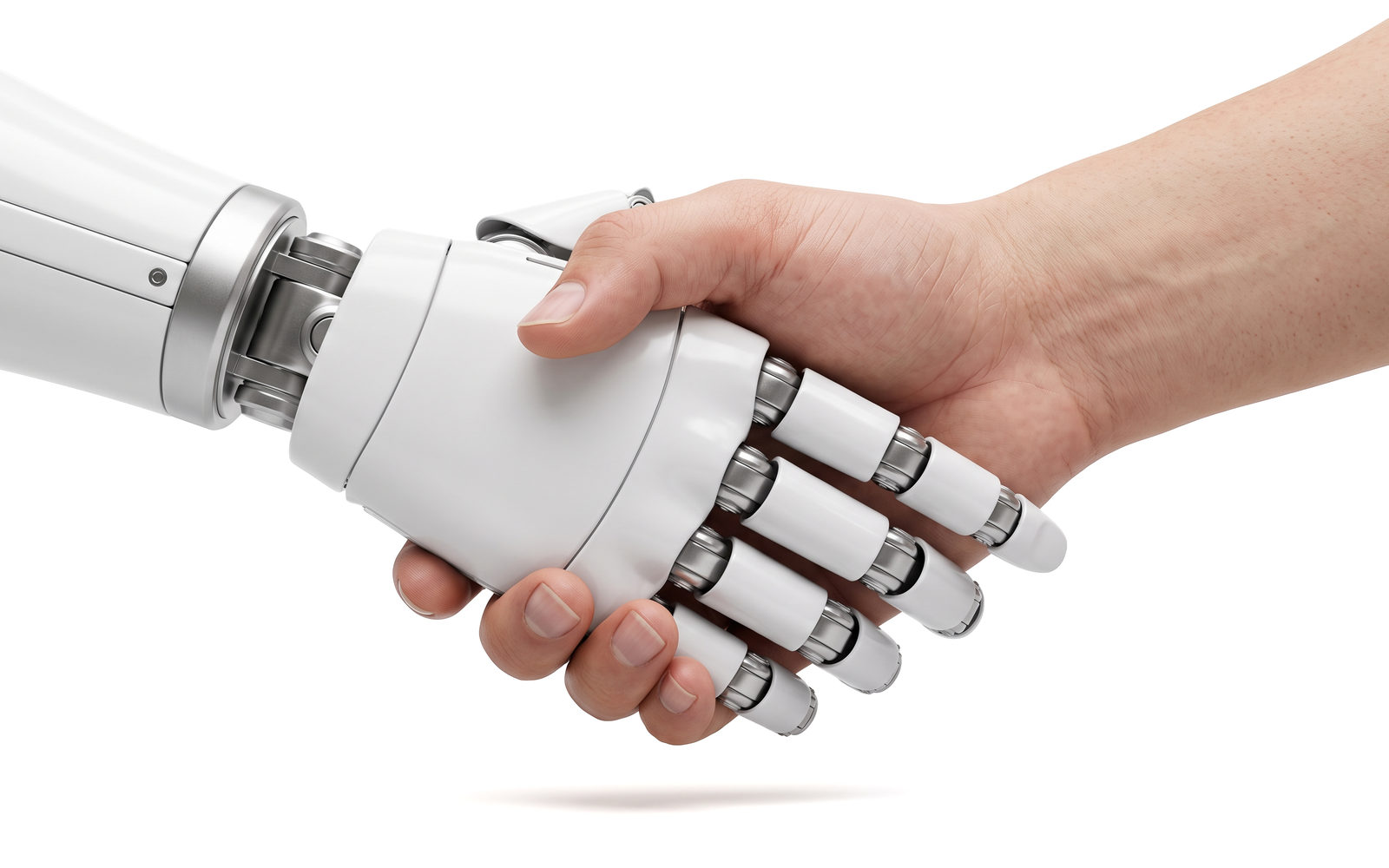
State of AI Trust 2027 is a planned report that will benchmark the public trust signals of AI tools and the companies behind them, using aggregate, anonymised data. Until it is published, buyers can build their own baseline by scoring six to ten providers in one category on the same signals.
Is a missing AI training-use statement normal or a warning sign? Today nobody can say, so the same silence sinks one deal and passes another.
An annual health check is useful because of the reference ranges printed beside each result. A cholesterol figure alone says little; beside a healthy range, it tells you what to address first. Reviewers of AI providers have results but no ranges. This guide explains what State of AI Trust 2027 will measure, and how to build your own category baseline in the meantime.
Why is there no benchmark for AI trust yet?
Most AI evaluations examine one provider at a time. A reviewer receives some answers and some silence, and must decide alone whether the gaps matter. Without a reference point, the same gap can stop one deal and pass unnoticed in another.
Three causes sustain this. AI disclosure practice is young and uneven. Frameworks such as the NIST AI Risk Management Framework describe good governance, but not what the market actually publishes. And reviews happen in private, so lessons do not accumulate.
Buyers are still learning too. IBM's 2025 research found that 63% of organisations lacked an AI governance policy. Measurement helps: Stanford's Foundation Model Transparency Index rose from an average of 37 out of 100 in October 2023 to 58 in May 2024.
What will State of AI Trust 2027 cover?
State of AI Trust 2027 is a planned research report from Smartreview AI. It will benchmark the public trust signals of AI tools, AI apps and the companies behind them. Findings will be aggregate and anonymised, no company will be named or ranked, and the method will be published alongside.
| Question the report will answer | Why it matters | What you can do now |
|---|---|---|
| Which trust signals do AI providers commonly publish? | Shows which questions are fair to expect answered | Record what six to ten providers publish today |
| Where does the market tend to stay silent? | Separates industry-wide gaps from provider-specific ones | Note questions no provider in your sample answers |
| How do practices differ by category and size? | Prevents unfair comparison between specialists and large platforms | Group your sample by size and use case |
| How often are disclosures dated and kept current? | An undated statement may no longer be true | Record the date on every statement |
| Which frameworks do providers reference? | Shows how far ISO/IEC 42001 and OWASP guidance reach practice | Note each reference: alignment or certification |
For buyers, the report is intended as a reference point for due diligence. For AI companies, it will show where publishing more would set them apart.
How to benchmark AI providers before the report arrives
A working baseline for one category takes an afternoon. The aim is not to rank providers but to learn what normal looks like. Choose a category, such as meeting assistants, and list six to ten providers of mixed size, including some you are not considering.
Then check the same six signals for each, using only public pages that need no login or sales call:
- Training stance: a plain statement on whether customer inputs or outputs train any model.
- Retention: published retention periods for prompts, outputs and logs.
- Model supply chain: named model and hosting providers, for example on a sub-processor list.
- Change notice: a stated way customers learn of material model changes.
- Assurance: certifications or attestation reports shown with type, scope and dates.
- Security testing: a statement on testing against AI-specific risks such as prompt injection, where crafted input hijacks a model.
Score each signal 2 if stated plainly and dated, 1 if vague or only on request, and 0 if absent. Record a link and save a copy of the page, because public pages change.
Read down each signal before reading across each provider. If no provider publishes retention periods, that is a market gap: put it in every contract. If most publish and one does not, ask that provider directly, in writing.
A worked example: reading a category baseline
In a hypothetical case, a risk team scores six AI meeting assistants on the six signals, out of 12 each. Shortlisted Provider X scores 5.
| Signal | Providers scoring 2 (of 6) | Provider X | Reading |
|---|---|---|---|
| Training stance | 5 | 0 | Unusual silence: request a written statement |
| Retention | 2 | 1 | Common gap: ask, but do not penalise heavily |
| Model supply chain | 4 | 2 | In line with the market |
| Change notice | 1 | 0 | Market-wide gap: put notice terms in every contract |
| Assurance | 4 | 2 | In line with the market |
| Security testing | 0 | 0 | Market-wide silence: ask every provider the same question |
A score of 5 sounds weak in isolation. Against the baseline, most of its gaps are shared by the market, while its silence on training use is unusual. The baseline turns vague unease into specific requests and a fairer decision.
Two cautions apply. Silence on a public page means unknown, not unsafe. A public statement is also a claim, not proof; independent evidence and contract terms make it dependable. Refresh the baseline before each major purchase, because AI disclosures change with models and providers.
The bottom line
Conclusion
A test result means little without the reference range beside it. The same holds for an AI provider's disclosures. State of AI Trust 2027 will offer that range in aggregate, anonymised form; until then, a small range of your own is the prudent substitute.
A category baseline turns silence into information, so decisions rest on comparison rather than instinct. This week, choose the AI category you are buying in, list six providers and score them on the six signals, with a source link for every score.
Frequently asked questions
What is State of AI Trust 2027?
A planned research report that will benchmark the public trust signals of AI tools, AI apps and the companies behind them, with aggregate, anonymised findings and a published method.
Will the report name or rank individual AI companies?
No. Findings will be aggregate and anonymised, and no individual company will be named, ranked or scored.
When will State of AI Trust 2027 be published?
No publication date has been announced. Readers can build their own category baseline in the meantime, using the six signals in this guide.
What public trust signals should an AI provider publish?
Commonly expected signals are a training-use statement, retention periods, named model and hosting providers, a change notice process, dated assurance reports and a statement on AI-specific security testing.
How do I benchmark AI providers' transparency?
Choose six to ten providers in one category, score each on the same signals as plain and dated, vague, or absent, record a source for every score, and compare against the category pattern.
References
Disclaimer: General information only, not legal, security, compliance or financial advice. Check the cited sources and seek professional advice. Names belong to their owners; no endorsement implied.